
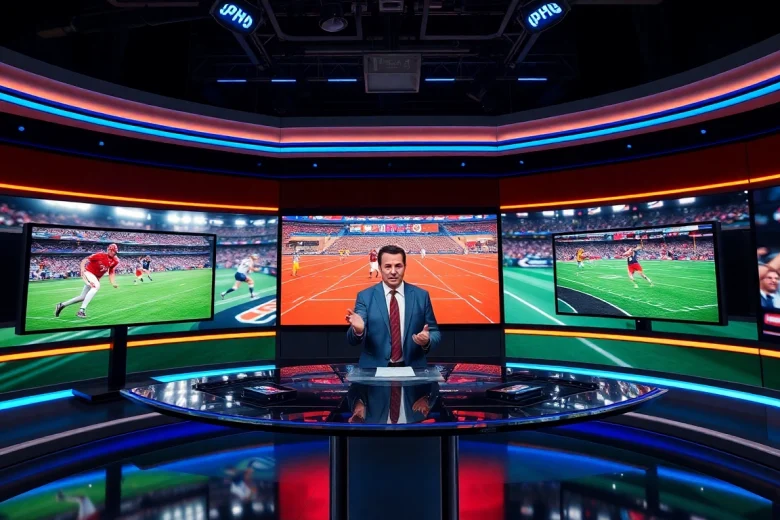
Introduction to Sports Broadcasting
Definition and Importance
Sports broadcasting refers to the live telecasting or streaming of sports events through television or online platforms. It plays a crucial role in connecting fans with their favorite sports, teams, and players. By bringing the excitement of live events directly to audiences, sports broadcasting not only enhances the overall experience for viewers but also drives significant revenue through advertising, sponsorships, and subscriptions. As sports continue to captivate millions around the globe, understanding the nuances of this industry becomes increasingly important.
Historical Overview
The journey of sports broadcasting dates back to the early 20th century, with radio broadcasts becoming the first medium for sports fans to engage with live games. The first-ever sports broadcast was a radio transmission of a college football game in 1921. Over the decades, television emerged as a dominant force in this arena, allowing for richer visuals and a more immersive experience. Iconic moments in sports history, such as the 1980 “Miracle on Ice,” showcase the power of television to create lasting memories for fans. Today, the evolution of the internet has brought digital streaming into the mix, providing flexibility and accessibility previously unimaginable.
Current Trends in Sports Broadcasting
As we navigate the modern landscape, several trends are shaping the future of Sports Broadcasting. The rise of digital streaming services has dramatically altered viewing habits, with many opting for on-demand content over traditional broadcasts. Increased focus on user interactivity, such as live statistics and multiple camera angles, is enhancing viewer engagement. Moreover, the integration of augmented reality (AR) and virtual reality (VR) is setting the stage for a next-level viewing experience, further blurring the lines between live sports and digital engagement.
Key Components of Sports Broadcasting
Types of Sports Broadcasting
Sports broadcasting can be categorized into several types, each targeting different audiences and preferences:
- Live Broadcasting: This is the traditional method of broadcasting sports events simultaneously as they take place, typically through television networks or streaming services.
- Delayed Broadcasting: Sometimes, games are recorded and aired later during a more favorable time slot to capture a larger audience.
- Highlight Shows: These programs summarize key moments from various sports, allowing fans to catch up on highlights in a short timeframe.
- Online Streaming: Platforms that specifically focus on streaming live games, allowing for viewer interaction and on-demand access.
- Podcasting and Audio Broadcasting: Audio formats allowing analysts and commentators to offer insights, opinions, and discussions about various sports-related topics.
Broadcasting Technologies
The technological landscape of sports broadcasting has transformed immensely over the years. Innovations like high definition (HD), 4K resolution, and even 8K technologies enhance the visual experience for viewers. Furthermore, advanced audio technologies ensure that audiences enjoy immersive soundscapes that capture the ambiance of the event. Emerging technologies like drones and multi-cam setups afford broadcasters new vantage points, while cloud-based platforms enable more flexible and efficient content distribution.
Role of Sports Analysts and Commentators
Sports analysts and commentators play a vital role in enriching the viewing experience. Their insights not only provide context to the ongoing action but also enhance the overall enjoyment for fans. Good commentators are adept at weaving narratives that engage viewers and build excitement around various storylines throughout a season. As the demand for in-depth analysis grows, broadcasters are increasingly investing in expert analyses and more comprehensive pre-and post-game reports to keep audiences informed.
The Impact of Digital Media on Sports Broadcasting
Streaming Services vs. Traditional Broadcasting
The rise of streaming services has fundamentally changed how viewers consume sports content. Compared to traditional broadcasting, streaming offers greater flexibility for audiences to watch events on their terms. As more viewers favor subscriptions over cable packages, networks have had to adapt by either partnering with streaming services or developing their platforms. The convenience of watching from any device has attracted younger audiences, challenging traditional networks to innovate constantly.
Social Media’s Influence
Social media has emerged as a powerful tool in sports broadcasting, influencing both how content is delivered and consumed. Platforms like Twitter, Instagram, and Facebook provide fans with instant updates, highlights, and behind-the-scenes content that enrich their engagement with sports. Additionally, social media enables broadcasters to interact directly with their audience, fostering a sense of community that enhances loyalty and viewership.
Viewership Trends and Audience Engagement
Today’s audiences demand more than just passive viewing experiences; they seek interactivity and engagement. This ongoing trend is pushing broadcasters towards more gamified experiences, connecting live polling, quizzes, and augmented reality elements within the broadcast. Viewer engagement metrics, including social media interactions and audience feedback, play crucial roles in shaping content strategies and broadcasting formats.
Challenges in Sports Broadcasting
Regulatory and Legal Issues
Sports broadcasting is fraught with legal complexities, from copyright issues to licensing fees. Broadcasters must navigate these regulations carefully to avoid costly litigations. Each country or region may have distinct laws that affect how sports content can be broadcast, particularly for international events. Staying informed and compliant ensures seamless operations in the broadcasting realm.
Competition and Market Saturation
The sports broadcasting market is saturated, with numerous platforms fighting for viewer attention. With the increasing number of streaming services, securing exclusive broadcasting rights has become crucial for networks aiming to differentiate themselves. This competition not only drives innovation in content delivery but also escalates the costs associated with acquiring key sporting events.
Technological Advancements and Adaptation
While technological advancements are beneficial, they also pose challenges as broadcasters need to continuously adapt to stay relevant. The rapid introduction of new technologies can lead to significant costs for broadcasters looking to upgrade their infrastructure. Balancing innovation with fiscal responsibility is essential to maintain profitability in this fast-evolving landscape.
The Future of Sports Broadcasting
Emerging Technologies to Watch
Several emerging technologies have the potential to revolutionize sports broadcasting. Artificial intelligence (AI) is being increasingly integrated into content production, enabling personalized experiences for viewers. Additionally, the immersive qualities of virtual reality (VR) and augmented reality (AR) are set to transform how fans experience live events. These technologies could allow viewers to feel as if they are present at a game, regardless of their physical location.
Predictions for Audience Preferences
The preferences of sports audiences are shifting, with younger generations displaying distinct viewing habits. Enhanced interactivity, personalized content, and seamless integration with social media are likely to become standard requirements. As community and social engagement continue to play essential roles in consumption patterns, broadcasters will need to provide multifaceted experiences that keep audiences engaged beyond traditional viewing.
Sustainability and Ethical Broadcasting Practices
As the demand for responsible consumption increases, sports broadcasters need to consider sustainability and ethical practices. From reducing their carbon footprint during live broadcasts to ensuring fair labor practices across all facets of production, the industry is urged to take meaningful steps towards sustainable operations. A commitment to ethical broadcasting will not only foster goodwill among audiences but enhance brand reliability and loyalty over time.
FAQs
What is sports broadcasting?
Sports broadcasting refers to the live telecasting or streaming of sports events through television or online platforms.
How has technology changed sports broadcasting?
Technology has improved how games are broadcasted through high-definition visuals, instant replays, and interactive features.
Why are analysts important in sports broadcasting?
Analysts provide in-depth insights and context during broadcasts, enhancing the viewing experience for audiences.
What are the latest trends in sports broadcasting?
Current trends include increased streaming options, mobile accessibility, and integration of virtual reality experiences.
What challenges do sports broadcasters face today?
Broadcasters contend with regulatory hurdles, competition from streaming services, and the need for continuous technological upgrades.