
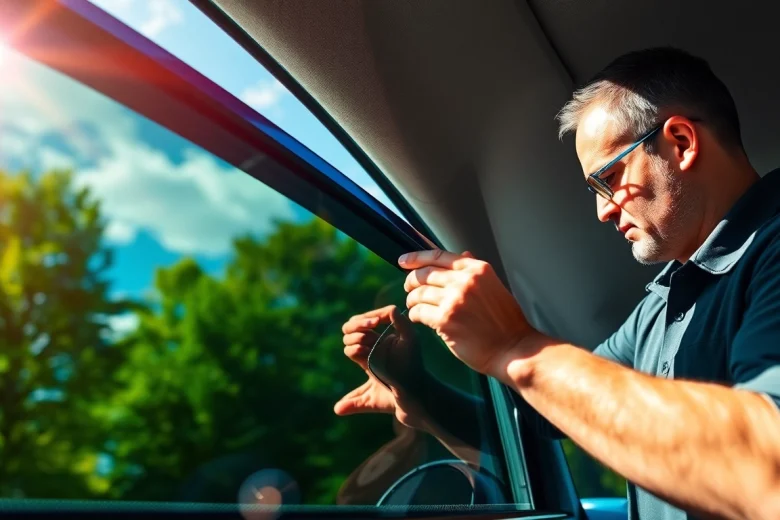
Understanding Window Tint Chattanooga
What is Window Tint?
Window tint refers to a thin film that is applied to the interior surfaces of glass windows in vehicles, homes, and commercial buildings. This film modifies the glass properties to reduce glare, increase privacy, and manage heat. Available in various shades and types, window tint allows for both aesthetic enhancements and functional improvements. Essentially, it consists of a polyester base with an adhesive layer applied to one side, which is affixed to the glass. Utilizing advanced technology, window films can block harmful UV rays while still allowing light to penetrate.
Benefits of Window Tinting
Choosing window tint Chattanooga offers myriad advantages that enhance comfort and safety. Firstly, window tints significantly reduce glare, making driving and working in bright sunlight more comfortable. Secondly, they offer protection from UV rays, which can contribute to skin cancer and interior fading in vehicles and homes. Thirdly, window tints can improve energy efficiency by regulating temperatures; they keep interiors cooler during hot seasons and can reduce the need for air conditioning. Finally, window tints enhance privacy and security, making it harder for prying eyes to see inside while also reinforcing the glass against breakage.
Types of Window Tints Available
Window tints come in various forms suited to different needs and preferences. The most common types include:
- Dyed Window Film: Offers privacy and reduces glare, utilizing a dye layer to absorb solar energy.
- Metalized Window Film: Comprised of tiny metallic particles that reflect sunlight, this option provides durability and additional strength.
- Carbon Window Film: This non-reflective option provides excellent UV protection and reduces heat, making it a popular choice amongst car enthusiasts.
- Ceramic Window Film: The most advanced type, offering high heat rejection and clarity without interference with electronic signals.
Choosing the Right Window Tint Chattanooga
Factors to Consider Before Tinting
Before applying window tint, several factors need consideration. Identify your primary goals: Are you aiming for increased privacy, reduced heat, or protection from UV rays? Additionally, contemplate local climate conditions; a hotter environment may necessitate higher heat rejection. Be mindful of your vehicle’s or property’s aesthetic, as some tints can drastically change its appearance. Finally, consider your budget, as the cost of window tinting can vary significantly based on the type and the area being covered.
Comparing Tint Materials
Understanding different tint materials can significantly influence your decision. For instance, dyed tints are often less expensive, but they may not offer as much heat reduction as metallic or ceramic films. While metallic tints provide more heat rejection, they may interfere with electronic devices due to their reflective properties. Ceramic tints, though more costly upfront, offer superior heat rejection and clarity without signal disruption. Evaluating these options against your specific needs will lead to the best choice for your situation.
State Regulations and Compliance
It’s crucial to comply with state regulations regarding window tinting. Different states have specific laws dictating how dark or reflective window films can be. Typically, these regulations pertain to the front, side, and rear windows, with some jurisdictions placing stringent restrictions on driver visibility. Always verify local laws to ensure compliance. Consulting professionals with experience in window tinting will also assist in navigating these regulations smoothly.
Installation Process for Window Tint Chattanooga
Preparation Steps Before Installation
Preparation is key to a successful window tinting installation. First, thoroughly clean the windows to remove dirt and grease, which can compromise adhesive strength. Next, measure and cut the film to the appropriate dimensions, leaving a small margin for adjustments at the edges. Lastly, ensure that you have the right tools on hand, such as a squeegee, heat gun, and utility knife, to facilitate a smooth installation process.
DIY vs Professional Installation
While DIY window tinting may save money, it often comes with challenges. Professional installers have the experience and equipment to ensure flawless application, avoiding common issues such as bubbles and misalignment. If you decide to go the DIY route, it’s essential to follow installation guides closely and practice patience, as improper technique can lead to costly redo efforts.
Aftercare Tips for Longevity
After-the-fact care is essential to maximize the lifespan of window tint. Initially, allow for a curing period; avoid rolling down windows for a few days after installation to permit the adhesive to set fully. When cleaning tinted windows, use a gentle, ammonia-free cleaner to prevent damage. Regularly inspecting the film for signs of wear or damage will allow for timely repairs, further extending its life and effectiveness.
Common Challenges with Window Tint Chattanooga
Bubbles and Wrinkles: How to Avoid Them
Bubbles and wrinkles can detract from the appearance and performance of your window tint. To avoid these issues, ensure that the installation surface is free of debris and moisture. Employ a squeegee with even pressure to push out air bubbles during installation. If bubbles do appear post-installation, a tiny pinhole can be created to release trapped air, followed by smoothing the film down.
Fading and Discoloration Issues
Over time, even high-quality window tints can fade or discolor due to prolonged exposure to sunlight. To counteract this, investing in high-grade films with UV protection is essential. Additionally, maintaining low exposure to harsh cleaners and extreme conditions can reduce the effects of fading. Regularly scheduled inspections will help identify early signs of any discoloration and allow for timely intervention.
Dealing with Mistakes During Installation
Even seasoned professionals can make mistakes during installation. If the film is misaligned or installed improperly, don’t panic. Carefully remove the film according to the manufacturer’s guidelines, cleaning any adhesive residue carefully. When reapplying, remember to take your time and ensure a secure placement. Watching instructional videos or obtaining guidance from professionals can provide further assistance.
Frequently Asked Questions
How long does window tint last?
High-quality window tints can last anywhere from 5 to 10 years, depending on the type of film and environmental conditions.
Can I clean tinted windows?
Yes, but use a soft cloth and ammonia-free cleaner to prevent damage and preserve the tint’s integrity.
Is window tinting legal?
Yes, but regulations vary by state regarding the percentage of visible light transmission allowed. Always check local laws before installation.
Will tint make my car hotter?
No. Quality window tints actually help in keeping your car cooler by rejecting heat and UV rays, enhancing comfort.
Can I apply window tint myself?
Yes, but professional installation is recommended to ensure a flawless finish and avoid common installation mistakes.